WHAT IS THIS?
The story behind The Public Bored.
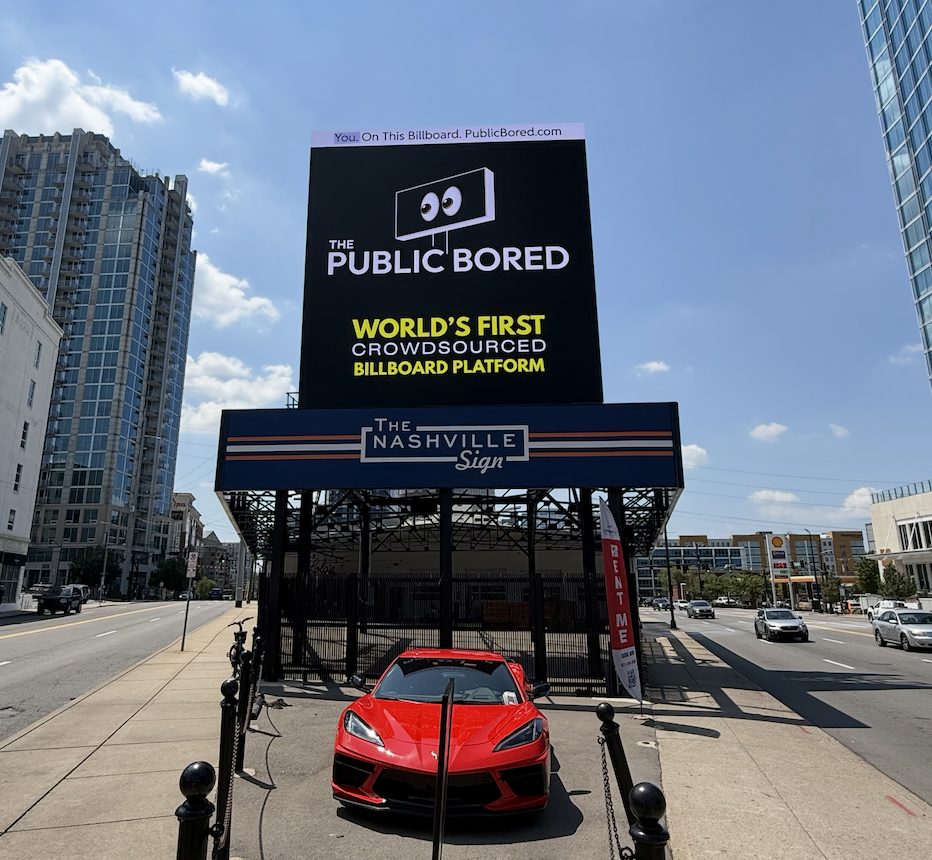
Billboards are among the most public-facing forms of communication in the world.
They shape skylines, define cityscapes, celebrate major moments, and help ideas become visible in the physical world. For generations, they have helped businesses, artists, organizations, and communities share messages with the people around them.
I've been fascinated by them for a long time.
Years before The Public Bored existed, I experienced the power of billboard messaging, along with its pain points, and I found the whole thing fascinating. That fascination eventually led to a question that has stayed with me for years:
What if participating on the world's largest digital screens became almost as easy as posting on social media?
What would people choose to share?
How would communities participate?
What new forms of creativity, expression, and connection might emerge?
The Public Bored exists to explore those questions.
This project has been shaped by thousands of conversations over the years. If something here resonates with you, feel free to reach out.
Where It Started
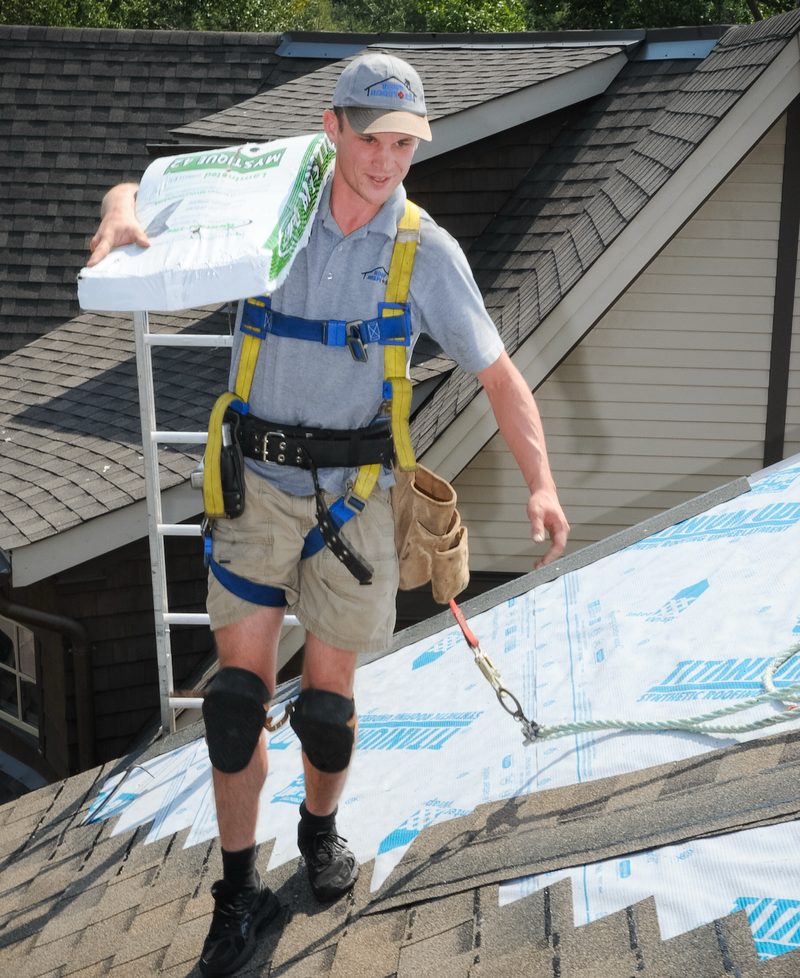
Years ago, I owned a construction company in Canada.
Whenever a major hailstorm moved through a neighborhood, I wanted to get my roofing company in front of local homeowners quickly. Billboards seemed like the perfect solution. They were visible, memorable, and deeply connected to the communities I wanted to reach.
What surprised me was how difficult I personally found the process. It often felt slow, expensive, confusing, and difficult to coordinate around the specific locations and timelines that mattered most.
That frustration stayed with me.
Not because I disliked billboards. Quite the opposite.
I loved them.
I believed in their power, and I found myself wondering what participation might look like if the experience became more intuitive and flexible.
At one point, I started asking homeowners to let me place large banners on the sides of their garages after projects were completed. It was a crazy idea...and it worked. Neighbourhoods suddenly knew my company name and recognized my brand.
It was the first time I experienced the power of effectively crafted messaging in public spaces.
That feeling never left.
The Idea
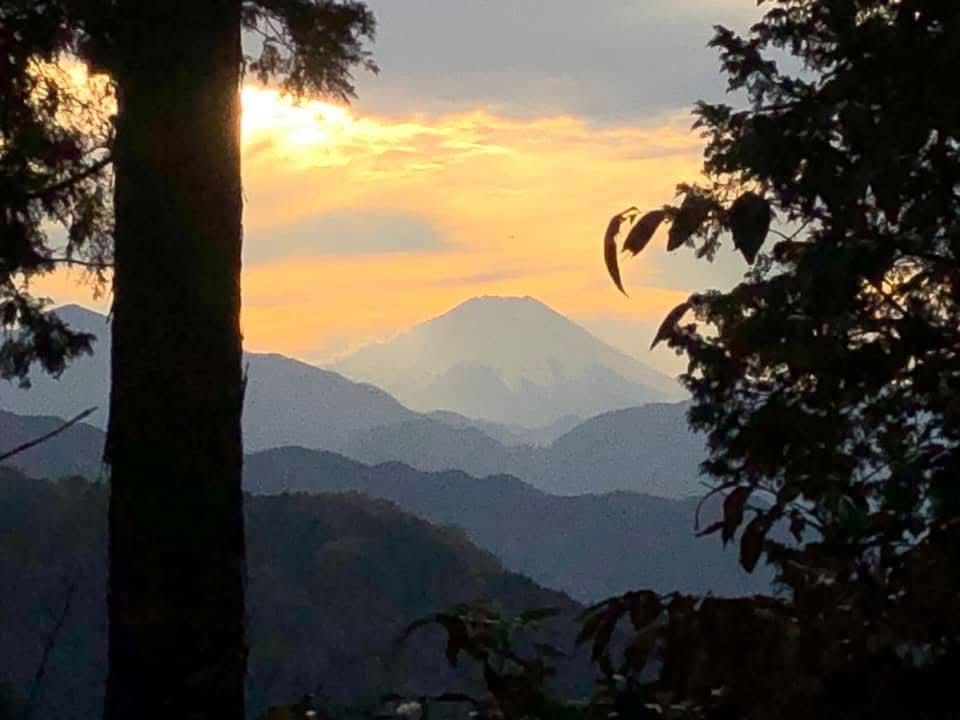
After selling the company, I spent some years exploring different parts of the world and thinking about what I wanted to build next.
While visiting Japan, I found myself listening to This Week in Startups with Jason Calacanis. The show introduced me to a completely different way of thinking about entrepreneurship. Up until that point, my experience had been rooted in traditional businesses, operations, crews, trucks, and real-world execution. Suddenly I was being exposed to startups, software, venture capital, and people building technology companies designed to scale far beyond a single city.
The experience was transformative.
Around the same time, a friend encouraged me to spend time in the San Francisco Bay Area and immerse myself in startup culture firsthand. The more I explored that world, the more I found myself returning to the same question that had been lingering in the background since my construction days.
Not how to build a billboard company.
Not how to sell more advertising.
But how participation itself could become easier.
Software had transformed the way people publish, communicate, and participate online. I started wondering whether thoughtful technology could do something similar for participation in public space.
The idea was beginning to take shape when COVID arrived and brought everything to a halt. Like countless projects around the world, it had to wait.
The idea, however, never disappeared.
The Discovery
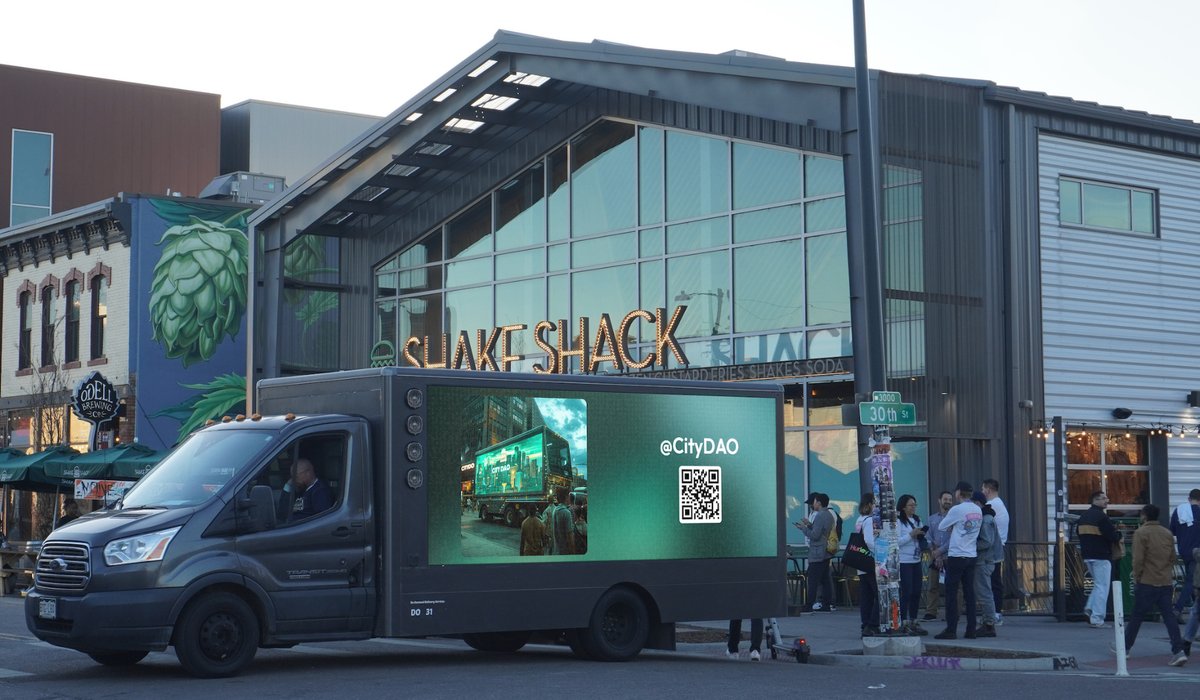
In 2024, we decided it was time to stop thinking and start testing.
Our first major experiment was a three-sided digital billboard truck in Denver during a large conference. More than 500 people participated.
Next came Lisbon, Portugal, where more than 1,500 people participated.
The participation numbers were encouraging, but they weren't the most important thing we learned.
What caught our attention was where many of those participants came from.
Roughly half of the people who joined the Lisbon activation weren't physically present. Some weren't in Lisbon. Some weren't even in Portugal. They simply wanted to be part of something happening somewhere else in the world.
That observation changed how we understood the opportunity.
Up until that point, it would have been easy to think of the project as a new way to access billboard inventory. What we were actually seeing was something much more interesting. People weren't only interested in visibility. They were interested in participation. They wanted to celebrate milestones, support artists, encourage friends, contribute to communities, and become part of shared public moments.
That realization would shape everything that followed.
Learning From the Industry
To continue exploring the idea, we acquired a digital billboard in Minot, North Dakota.
Owning and operating a billboard gave us the opportunity to learn directly from the industry while experimenting in a real-world environment. We tested subscriptions, livestreams, moderation systems, remote participation, and community-driven experiences. Thousands of people participated, and some of those early subscribers are still participating today.
As we continued experimenting, a pattern became impossible to ignore.
People consistently found ways to use the billboard that extended beyond traditional advertising. They used it to celebrate birthdays, support artists, share milestones, promote local causes, launch projects, encourage friends, and participate in communities.
The lesson was remarkably consistent:
People didn't just want to advertise. They wanted to participate.
That became one of the foundational insights behind The Public Bored.
Nashville
Eventually, the journey brought us to Nashville.
Of all the places we explored, Nashville felt different.
The city is filled with people actively building something. Musicians, artists, entrepreneurs, creators, community leaders, and small business owners all contribute to an environment where creativity feels tangible and visible. There's an energy here that comes from people pursuing their dreams.
On a personal level, Nashville has felt more like home than anywhere I've lived in a very long time. Many of the friendships, partnerships, and opportunities that have shaped this chapter of The Public Bored have come from people I've met here. What began as a place to continue the experiment gradually became a place where I felt connected to the community around me.
Today, our flagship location sits above Broadway in downtown Nashville. Every week, artists, businesses, organizations, visitors, and community members use the screen in ways we never could have predicted when the idea first began. Some use it to promote projects, some to celebrate milestones, and some simply to participate in a shared public experience.
Together, they continue teaching us what participation in public space can become.
Where We're Going
The billboard was never the destination. It was the starting point.
What excites us most is the possibility of a future where participation in public space becomes a normal part of everyday life. A future where physical places and digital communities become more connected, and where people can contribute to public culture in ways that feel natural, meaningful, and accessible.
We're already exploring opportunities in additional cities, and each new location teaches us something. What started as a personal frustration has evolved into a broader exploration of how people participate in public life, both online and in the physical world.
The long-term vision is not simply a collection of billboards.
It's a growing network of places where people can celebrate, contribute, connect, and participate in moments that matter to them.
The best ideas behind this project have often come from people outside the company. If you have thoughts, questions, feedback, or ideas of your own, I'd genuinely love to hear them.
If you've made it this far, you're already part of the story.
Welcome.
— Eric
Founder, The Public Bored
Have an idea, a project, a celebration, or just a question?
Text me directly. I'd love to hear from you.