Static and digital billboards are two good tools with different strengths, and the right pick usually comes down to lead time, run length, and how often your message needs to change.
THE CORE DIFFERENCE
A static billboard is a printed vinyl or paper face installed on a structure. It shows your design continuously for the length of the booking, which is typically sold in four-week blocks.
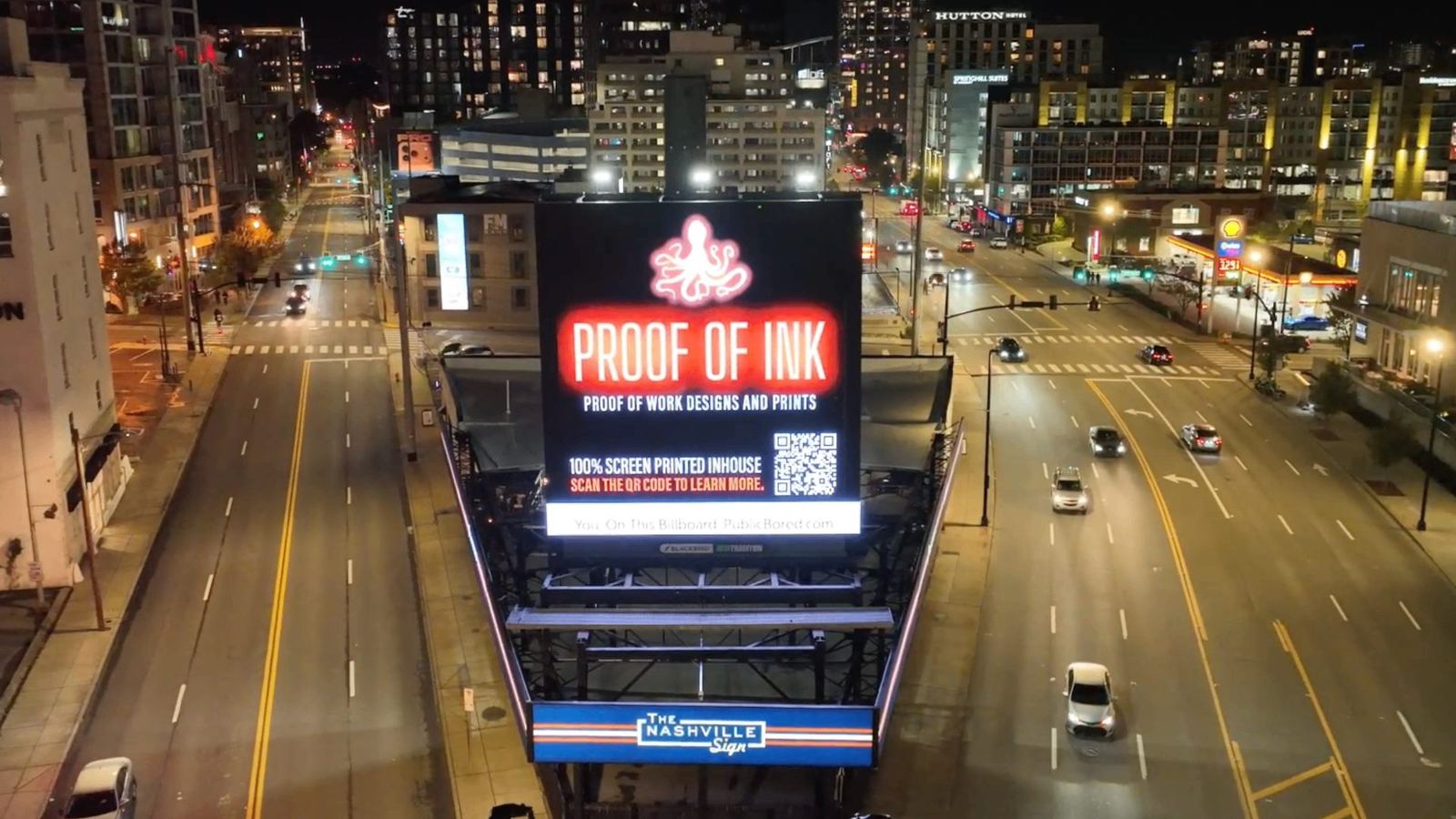
A digital billboard is an LED screen that rotates through a set of advertisers. Your artwork appears repeatedly across your booked window, and swapping it is a file upload rather than a print run.
WHERE STATIC SHINES
- Uninterrupted presence: your design is the only thing on that face for the whole run
- Long campaigns: great for brand awareness held steady over months
- Physical texture: extensions and special builds are possible on a printed face
WHERE DIGITAL SHINES
- Short runs: a single day or a single message is possible, so smaller budgets get in
- Speed: no printing or install crew, so a message can go up the same day
- Flexibility: change the artwork mid-campaign for launches, events, or weather
- Dayparting: buy the rush-hour windows specifically rather than the whole day
WHAT DIGITAL MAKES POSSIBLE
Because artwork can change quickly and runs can be short, digital opens up campaign types that were not practical before. Our experience campaigns are the clearest example: a musician, a brand, or a creator invites their audience to submit messages or photos, and those submissions run on the screen.
Each participant gets their own billboard photo back. People share those photos because they are personal, so a campaign that started as screen time turns into a wave of organic posts. That is the kind of reach that is hard to buy directly, and it comes from the format's flexibility rather than from a bigger budget.
HOW TO CHOOSE
- Choose static: for long, steady brand presence in one fixed location
- Choose digital: for speed, short runs, changing creative, or audience participation
- Use both: plenty of advertisers run a static base with digital bursts around key dates
FREQUENTLY ASKED QUESTIONS
What is the difference between a digital and a static billboard?+
A static billboard displays one printed design for the length of the booking. A digital billboard shows artwork on an LED screen in a rotation with other advertisers, and the artwork can be changed without reprinting.
Which one is better?+
They suit different goals. Static gives you uninterrupted presence in one spot for a set period. Digital gives you flexible scheduling, fast changes, and short runs. Many advertisers use both.
Is digital cheaper than static?+
The cost structures differ. Static pricing usually folds in design, printing, and installation across a multi-week block. Digital pricing is mostly screen time, so short campaigns tend to have a lower entry point. Our Nashville digital campaigns start around $250.
How long does my ad show on a digital board?+
Digital boards rotate through advertisers, so your artwork appears regularly throughout your booked window rather than continuously. That rotation is also what makes short and flexible campaigns possible.
Can I change my digital artwork mid-campaign?+
Yes. Because there is nothing to print, artwork can be swapped during a run. That is useful for event countdowns, launches, and seasonal messages.
Keep reading: billboard sizes and artwork specs, what a billboard costs in Nashville, where our billboards are.